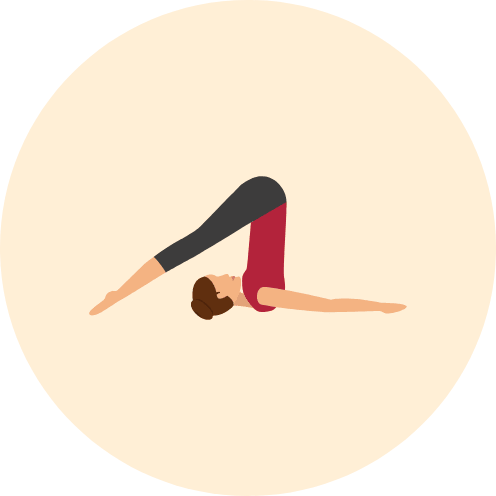
Yoga pose
Handstand (Adho Mukha Vrksasana)
Adho Mukha Vṛkṣāsana — adho = downward, mukha = facing, vṛkṣa = tree, āsana = posture
How to do Handstand
- In this inverted posture the weight of the body is on the hands - shoulder-width apart with fingers forward and parallel to each other (if the shoulders are tight, the index fingers are turned out slightly).
- The shoulder blades are firm against the back torso and pulled up toward the tailbone.
- The upper arms are rotated outward with the eye of the elbow to the front of the room to keep the shoulder blades broad while the outer arms hug inward in opposing forces for balance and stability.
- The palms are spread and the bases of the index fingers are pressed firmly against the earth.
- Balance is maintained by keeping the Bandhas engaged while pressing the earth away with straight arms and flexed feet.
- The gaze is down and forward.
Benefits of Handstand
- Strengthens the shoulders, arms and wrists.
- Stretches the belly.
- Improves sense of balance.
- Calms the brain and helps relieve stress and mild depression.
If you have an injury, high blood pressure, or are pregnant, check with your doctor before trying new poses — and never push into pain.
Learn it with live corrections
Getting Handstand right is much easier with a certified instructor watching your alignment. Sessions are live, online and built around your work hours.